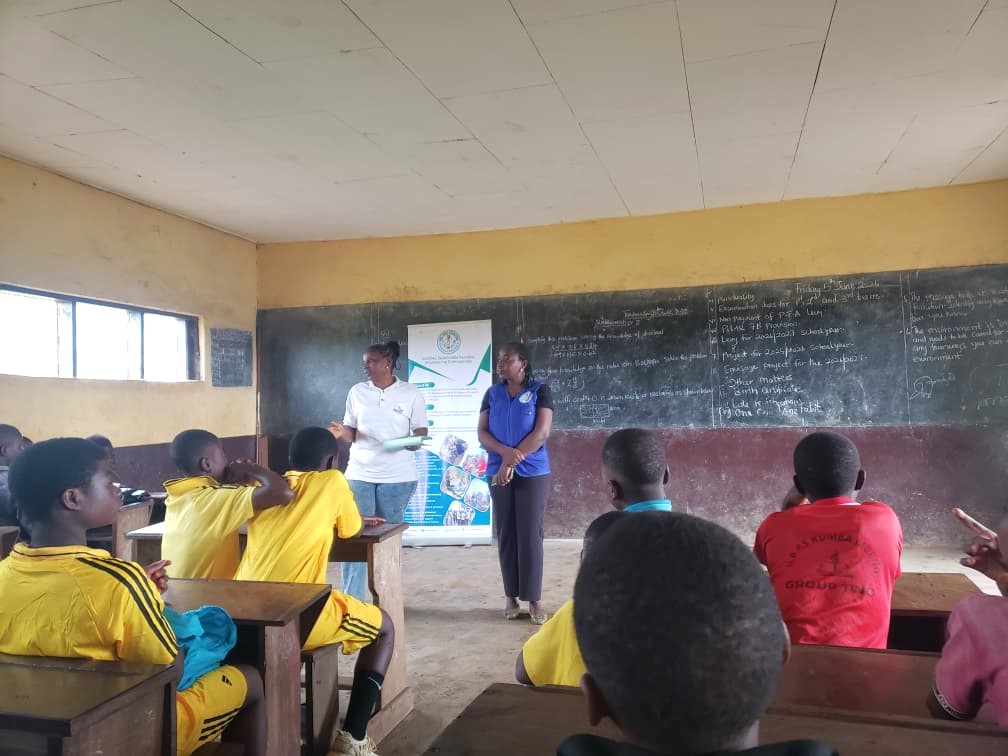
On June 12, 2026, a FAWOI team visited Government Primary School Muea for a school sensitisation session held in commemoration of two significant global observances: the World Day Against Child Labour (June 12) and the International Day of the African Child (June 16). The session brought together 87 Primary 6 pupils and 5 teachers in a morning of learning, reflection, and encouragement.
At FAWOI, protecting children means showing up, and on this day, it meant going beyond awareness to deliver knowledge, materials, and motivation directly into the hands of the children who need it most. This session was led by FAWOI’s Human Rights Human Protection Officer, Bwendi Esther; Environmental Protection Officer, Ngeh Sandrine Mumbfu; and the Health Officer, Acho-Bah Elvira.
Background
The World Day Against Child Labour, observed every June 12, was established by the International Labour Organisation (ILO) in 2002 to raise awareness about the global plight of child labour and to mobilise action for its elimination. Today, an estimated 160 million children worldwide are engaged in child labour, robbed of their childhood, potential, and dignity.
The International Day of the African Child, observed every June 16, commemorates the 1976 Soweto Uprising in South Africa, where hundreds of black school children took to the streets to protest the poor quality of their education — and were met with brutal force. The day honours their courage and serves as an annual reminder of the work still needed to fulfil the rights and potential of every African child. These observances call the world — and FAWOI — to act.
The Primary 6 class at Government Primary School Muea are pupils preparing for their terminal First School Leaving Certificate (FSLC) examination – a defining milestone in their academic journey and a gateway to secondary education. FAWOI’s visit was therefore designed to be both timely and purposeful, combining rights education with practical examination support.
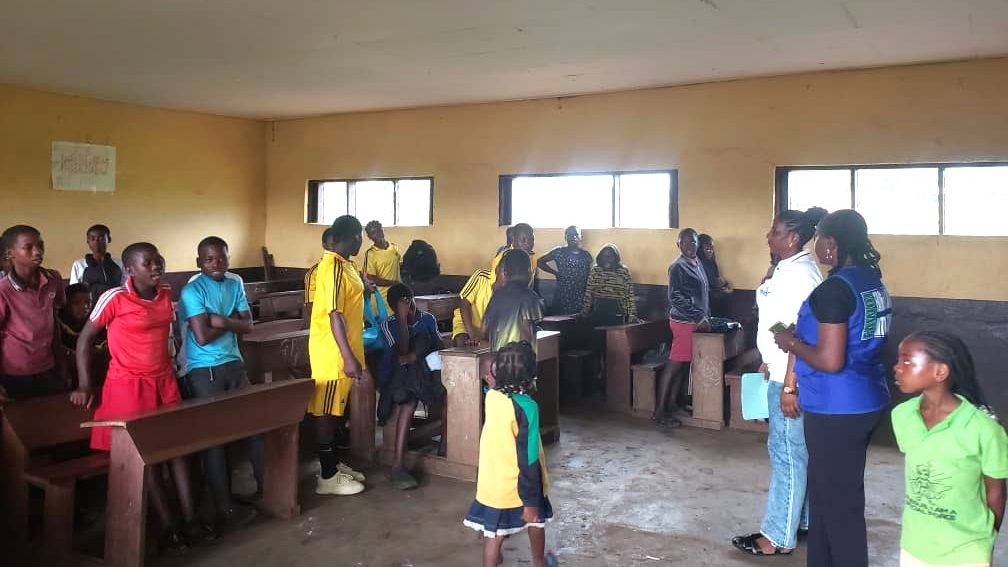
Three topics formed the core of the session, namely:
Topic 1: The Rights and Relevance of the African Child
The session opened with a discussion on the rights of the African child, drawing from the African Charter on the Rights and Welfare of the Child, adopted by the African Union in 1990, and the United Nations Convention on the Rights of the Child (UNCRC).
Pupils were introduced to the fundamental rights that belong to every child on the African continent, regardless of their background, gender, or circumstance:
- The right to life, survival, and development;
- The right to a name and nationality;
- The right to education and leisure;
- The right to protection from abuse, exploitation, and neglect;
- The right to participate in decisions that affect their lives.
Beyond rights, the session explored the relevance of the African child in shaping the continent’s future. The pupils were reminded that Africa is the youngest continent in the world and their generation holds the key to Africa’s transformation: “You are not just the future of Africa, you are its present.”
When children are given knowledge, affirmation, and tools, they do not simply receive; they rise.
Topic 2: The Right to Education
The second topic focused on the examination they were preparing for. The right to education is enshrined in Article 26 of the Universal Declaration of Human Rights and Article 11 of the African Charter on the Rights and Welfare of the Child. Yet across Africa, millions of children are denied this right due to poverty, child labour, early marriage, displacement, and discrimination.
The pupils were engaged in a discussion on what the right to education means in practice:
- Every child has the right to access free, quality primary education;
- Education must be safe, inclusive, and free from discrimination;
- Children have the right to learn in their own language and culture and;
- Governments and communities share the responsibility of keeping children in school.
The facilitators drew a direct connection between child labour and school dropout – showing pupils how children who enter the workforce early are often permanently denied the education that could transform their lives. The session reinforced the importance of staying in school, speaking up when their rights are threatened, and understanding that their presence in that classroom was itself an act of claiming their future.
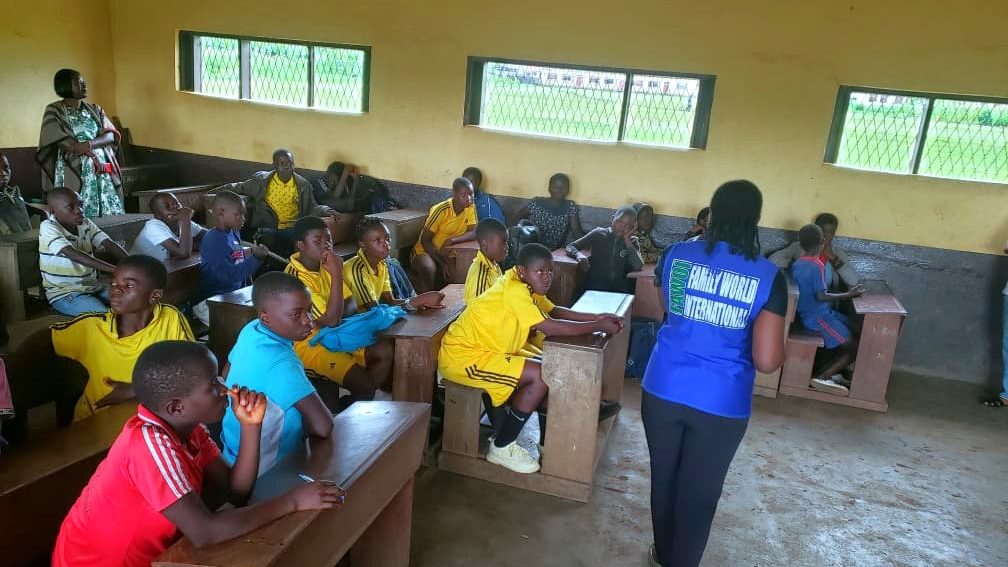
Topic 3: Healthy Exam Practices
With the FSLC examination approaching, the third topic was deliberately practical. The facilitators engaged pupils on what it means to prepare well, perform with integrity, and approach examinations with confidence. The answers came from the children themselves, and the facilitators added guided practice. Key points covered included:
- Time management during examinations;
- The importance of consistent study and revision over cramming;
- How to manage examination anxiety through rest, preparation, and a positive mindset;
- The dangers and consequences of examination malpractice for their results, character, and future;
- The value of integrity: results earned honestly are worth more than any grade obtained through dishonesty.
This topic resonated deeply with the pupils, many of whom opened up about their anxieties around the upcoming examination. The facilitators encouraged them, reminded them of their ability, and affirmed that hard work and honesty are the foundations of a life well built.
Exam Material Distribution by FAWOI
In a gesture that matched words with action, FAWOI distributed exam materials (pens, pencils, erasers, and rulers) to all 87 pupils and to the 02 teachers facilitating the Primary 6 class. For pupils preparing for one of the most important examinations of their early academic life, it was a belief in their potential and FAWOI’s investment in their success.
Every Child sensitised and empowered is a future protected.
The Outcome
The most powerful moment of the day came not from the facilitators but from the pupils themselves. When asked to reflect on the session, the pupils expressed how motivated they were to study harder, protect their rights, stay in school, and work toward contributing to Africa’s development. When children are given knowledge, affirmation, and tools, they do not simply receive; they rise.
FAWOI’s Commitment to Children
The visit to Government Primary School Muea is part of FAWOI’s broader commitment to child rights, education, and community empowerment. Empowering the next generation to know their rights, claim their future, and lead Africa forward lies at the nexus of our goals, mission, and vision.
As we mark the World Day Against Child Labour and the International Day of the African Child, FAWOI calls on communities, governments, schools, and civil society to redouble their commitment to every child’s right to safety, dignity, and education.
The African child is watching, and the African child is ready.
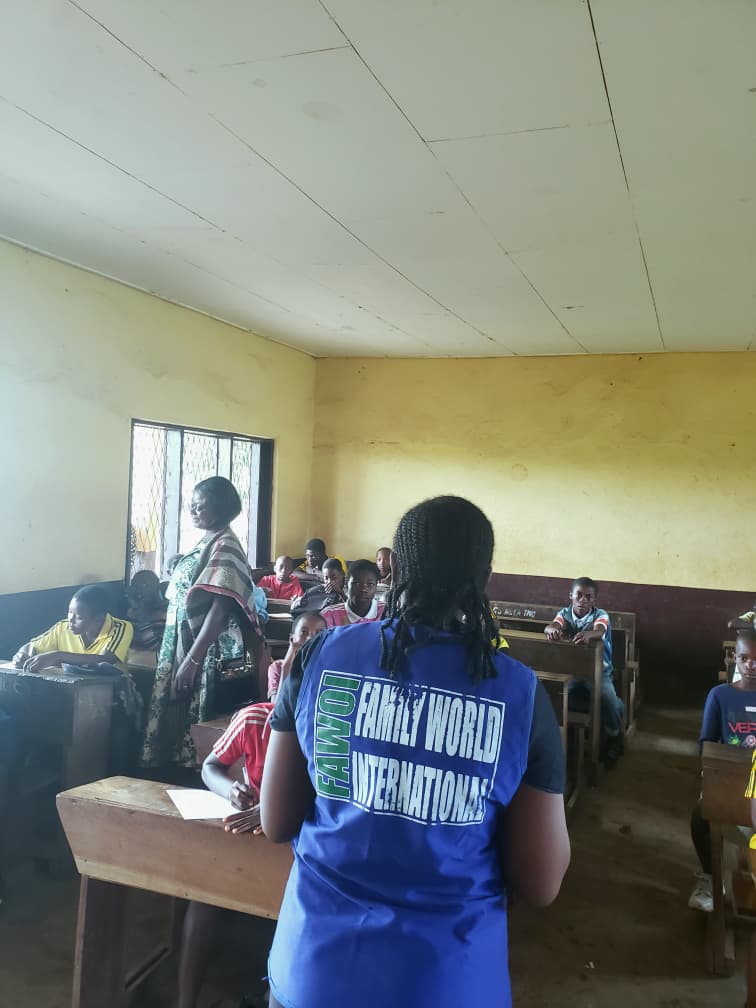
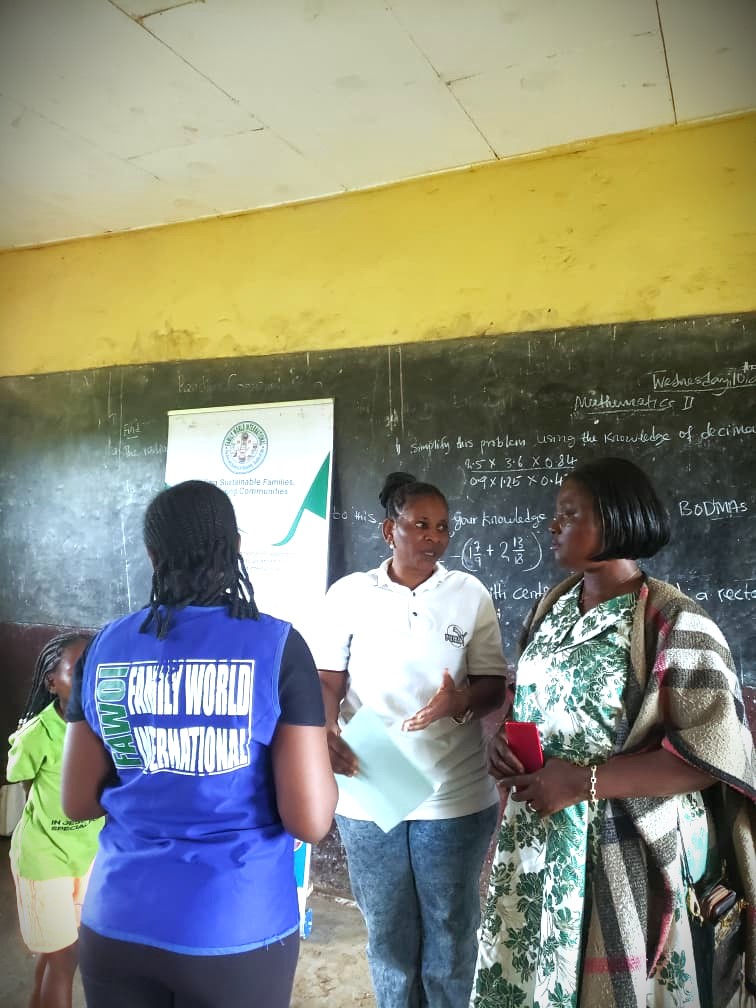
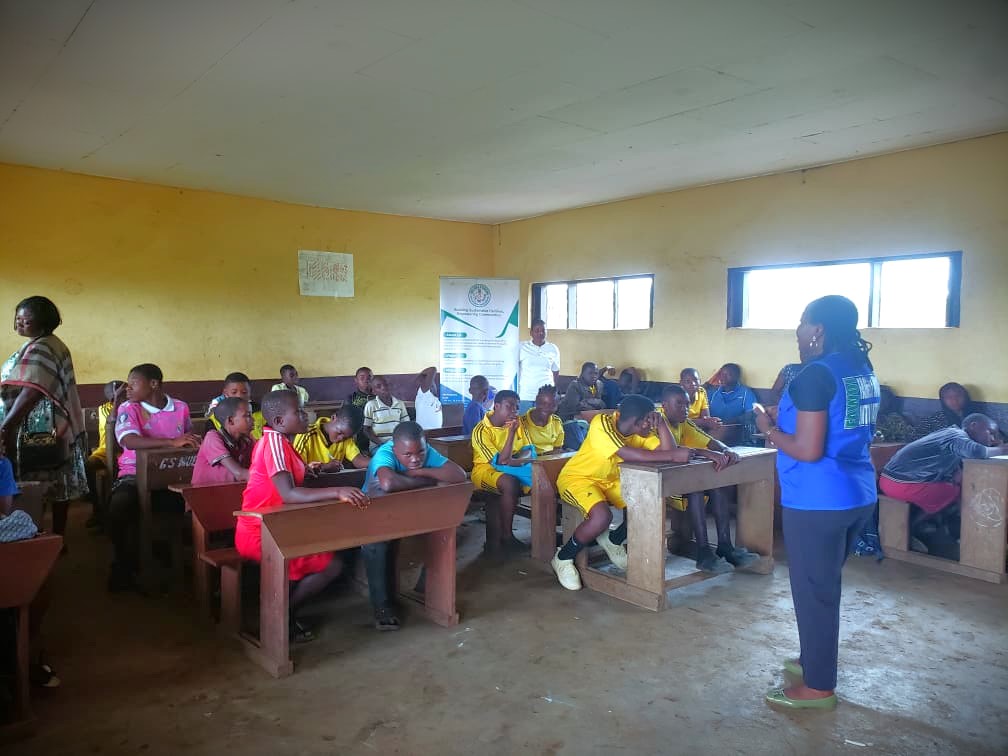
-
FAWOI Champions Child Rights and Education at GPS, Muea
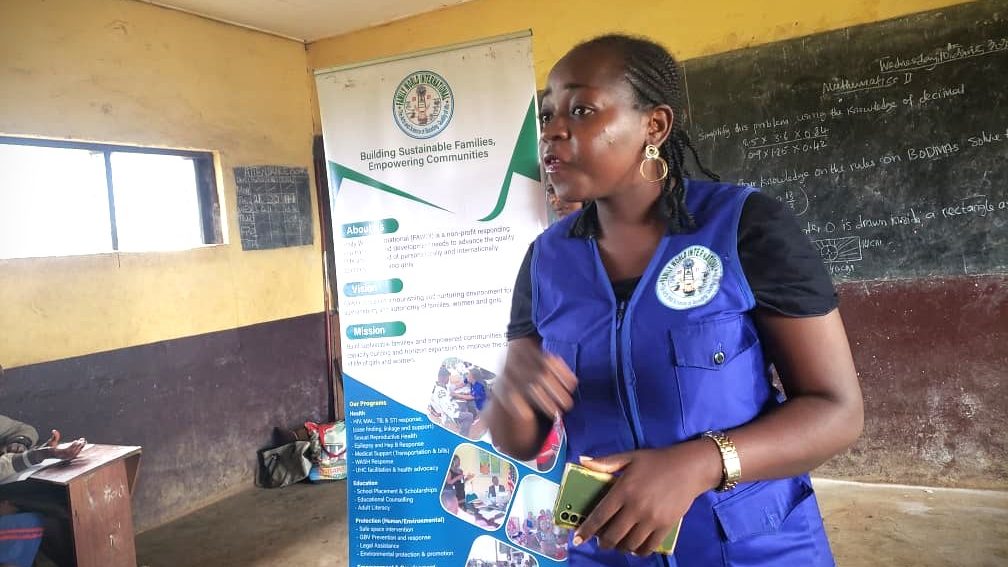
On June 12, 2026, FAWOI visited Government Primary School Muea for a sensitization session with 87 Primary 6 pupils and 5 teachers, covering child rights, the right to education, and healthy exam practices ahead of the FSLC examination.
-
FAWOI Celebrating World Environment Day 2026
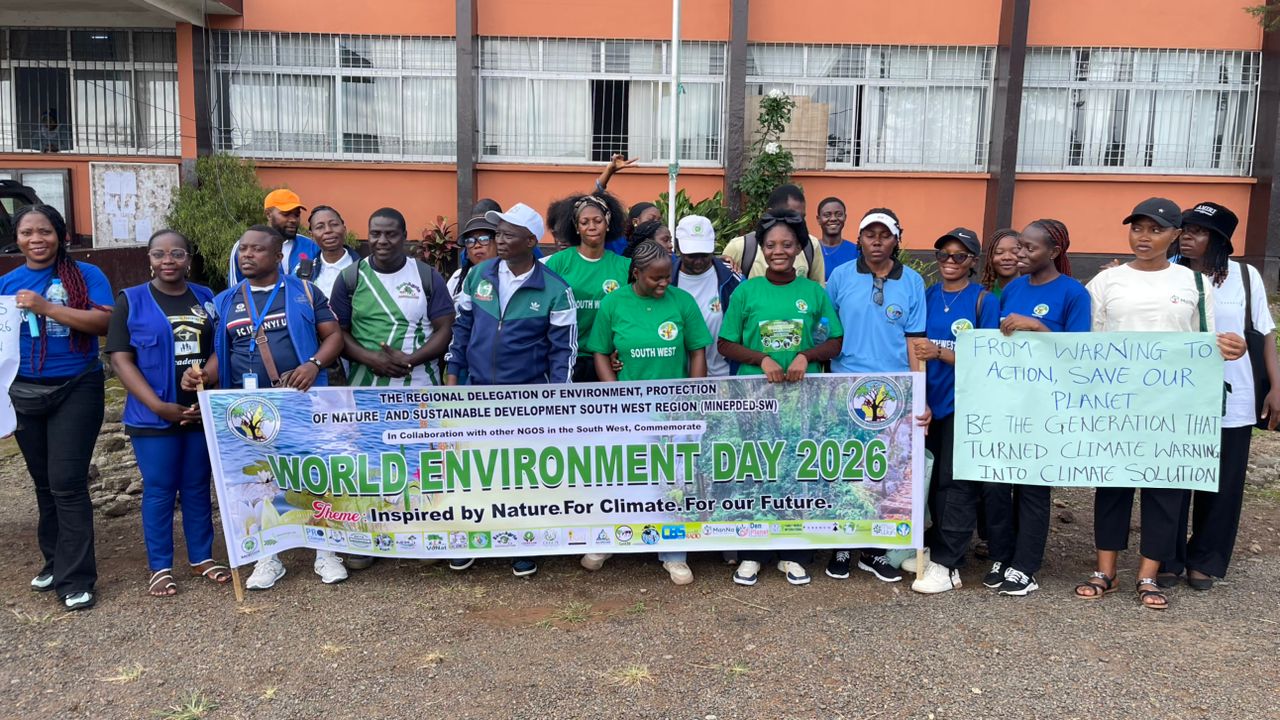
FAWOI joined over 100 organizations, youth leaders, and community groups at Cameroon’s World Environment Day 2026 celebration under the theme “Inspired By Nature, For Climate, For Our Future.”
-
Mainstreaming Diability Inclusion
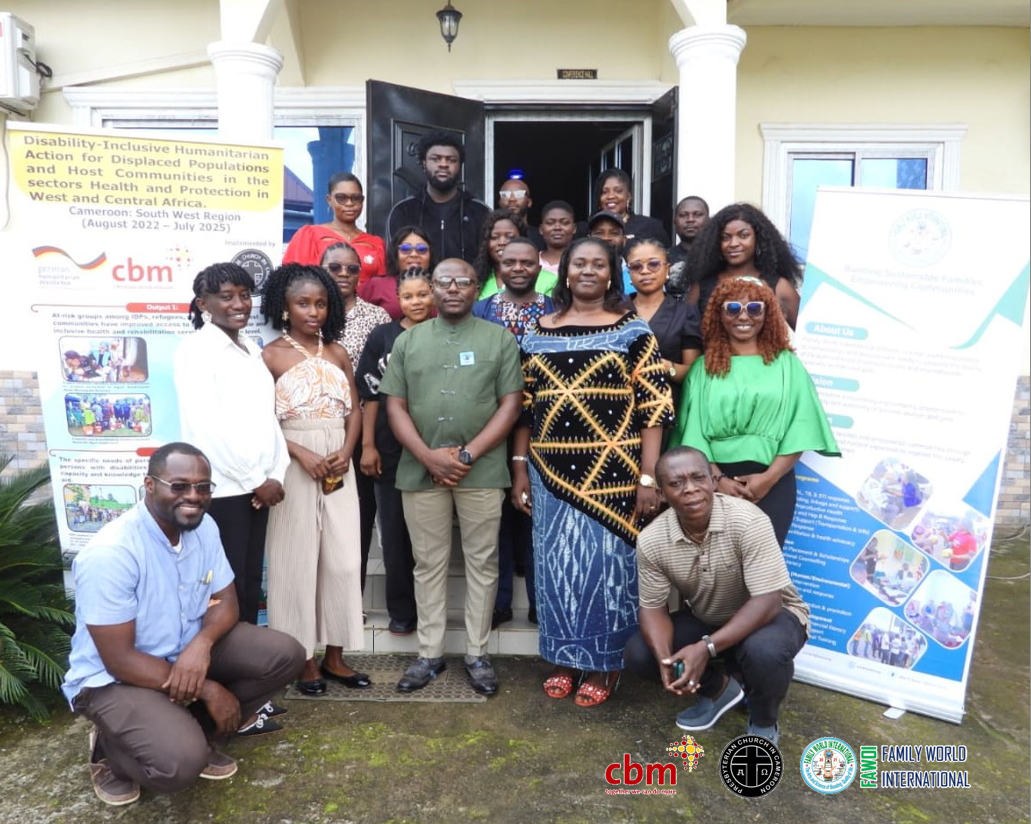
FAWOI and partners to equip 25 front-line leaders on disability inclusion to leave no one behind in projects and programs.